We work to restore healing & transform communities

We came together to create spaces for healing
Our 9 Collaborative members utilize community-based interventions to address intimate partner violence (IPV), especially in communities of color, queer & trans communities, and immigrant communities. We value our spectrum: the Collaborative includes organizations versed in anti-violence work, new to restorative practice as well as groups rooted in healing justice working to expand their responses to gender-based violence. Our Collaborative members commit to community, shared learning, and working across anti-violence and anti-mass incarceration movements.

How we do it
-
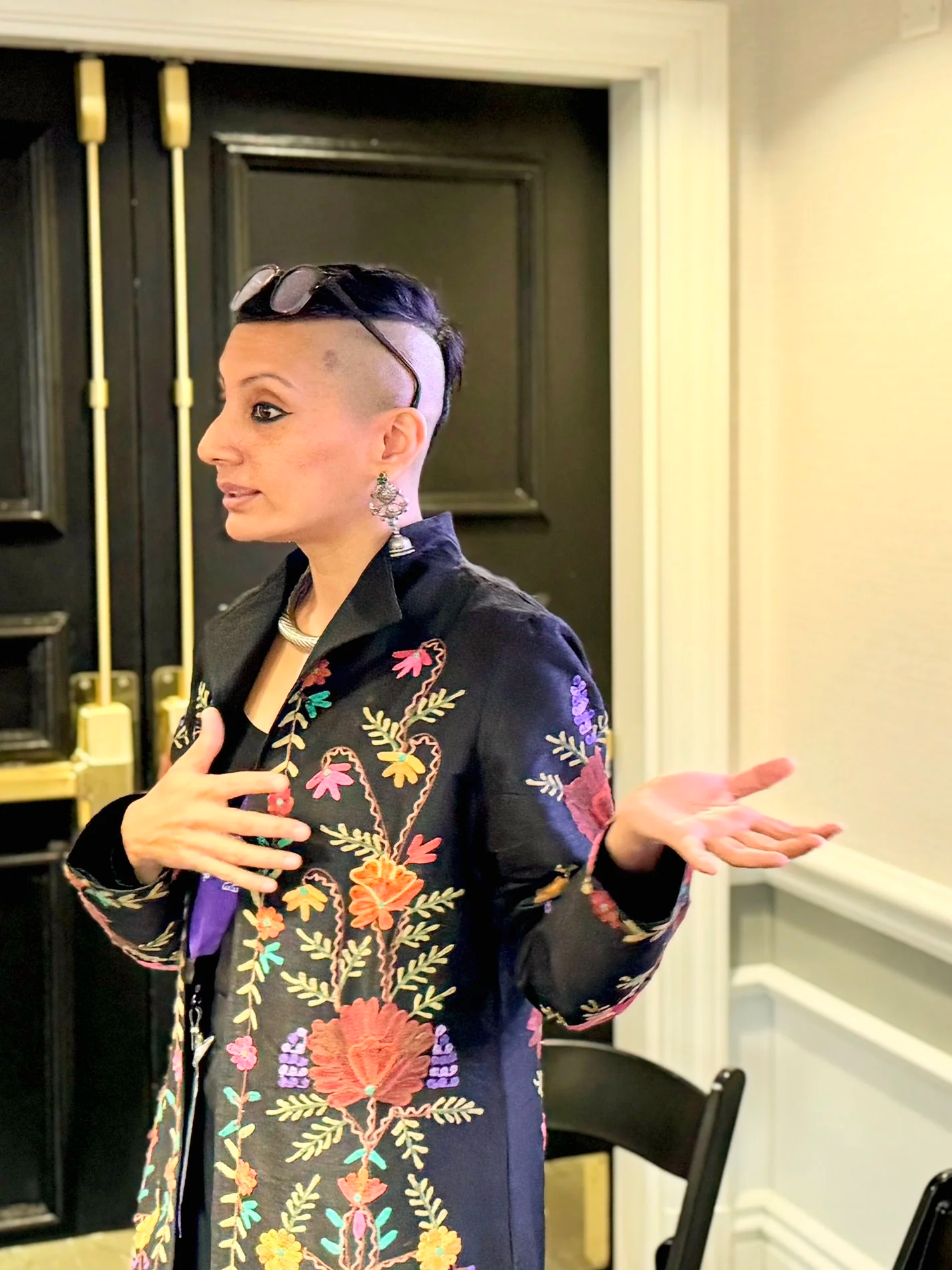
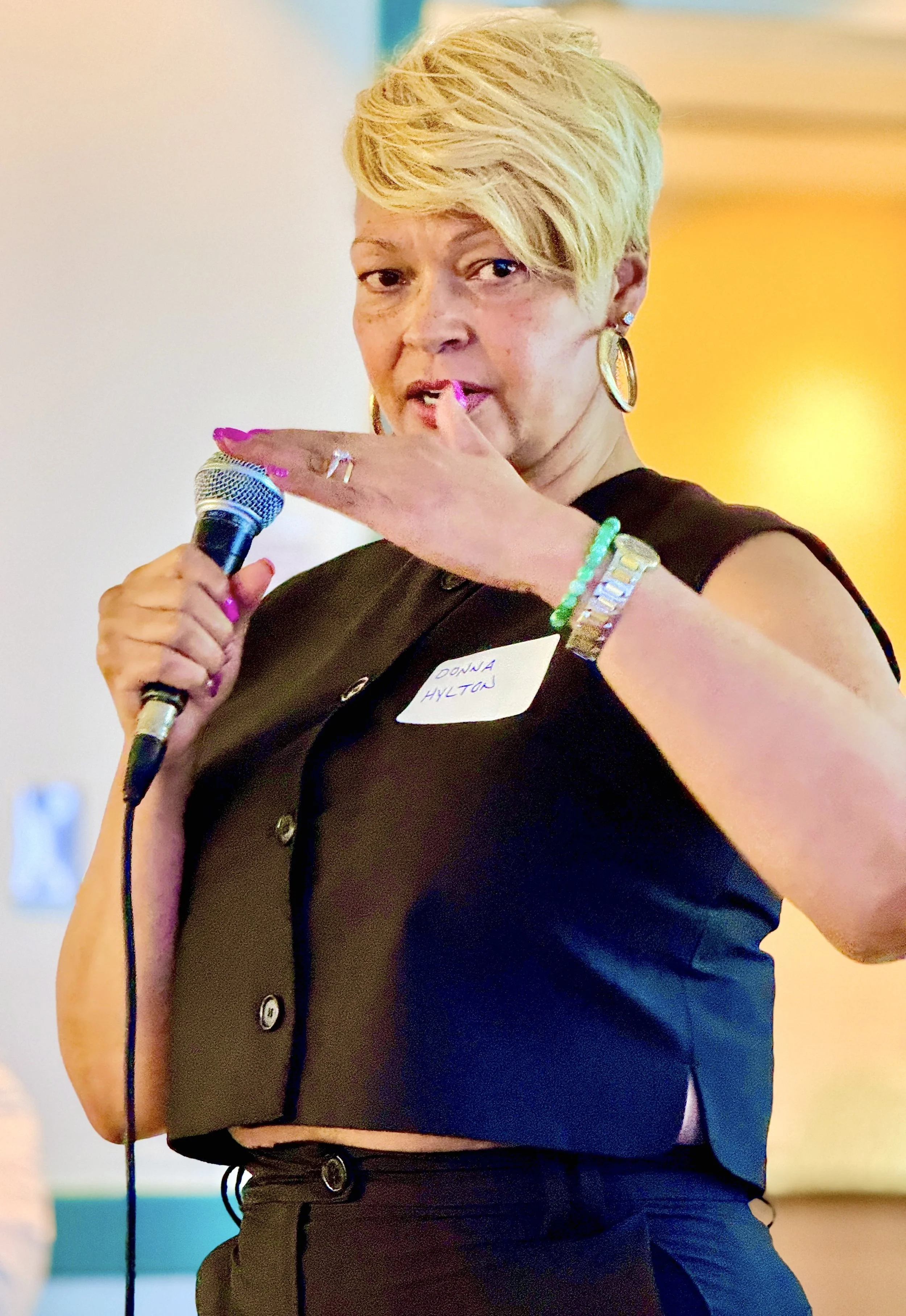
In our Collaborative, we come from – and work with – our varied communities to advance diverse culturally specific approaches that go against an overreliance on criminal legal systems.
For example, Collaborative practitioners:
✴️ who had experience working with people causing harm have partnered with survivor-centered organizations to create new programs for healing
✴️ have shared methods to make accountability and healing more possible and our communities stronger; and,
✴️ have surveyed community members on needs and desired interventions to address IPV.
-
How do you make sure accountability is happening once someone who has caused harm leaves a restorative process?
How do you end a process when some of the participants want to continue indefinitely?
How do you do the work when past childhood abuse is triggering responses in an adult survivor?
What is the difference between a survivor-centered restorative process (not involving a person who caused the survivor harm) and the support offered by traditional IPV services? Is there always a difference?
These are the kinds of questions our Collaborative members have addressed together, using the power of the group to share challenges and uplift one another’s wisdom and creativity. Because the tools of restorative and healing justice are broad, practices we use include (but aren’t limited to):
✴️ Survivor support, including community support for survivors;
✴️ Harm circles, intended to address specific harm in a survivor’s life;
✴️ Voluntary processes for people who cause harm;
✴️ Community-building circles; and,
✴️ Prep processes for all participants.
-
When we began our advocacy, most anti-violence advocates were resistant to consider restorative options for survivors. We are proud to say the Collaborative has helped create a changed environment with new federal, state, local, and community support for restorative approaches to addressing IPV.
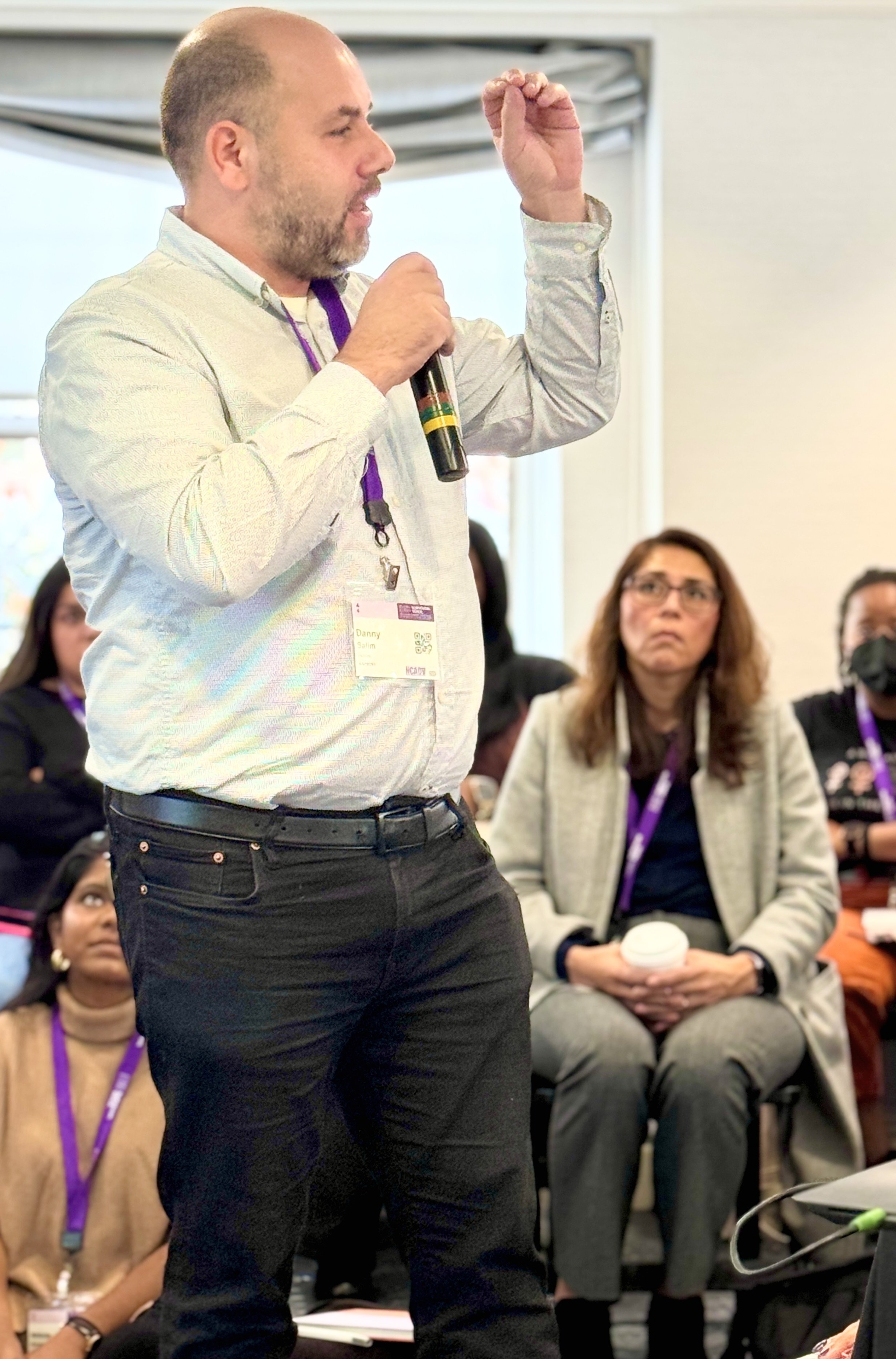
Growth propels the Collaborative – our organizations’ growth and that of our fields. We expand options for survivors and the movement to end gender violence through two ongoing practices: we participate in a national “practice pod” to share and develop restorative innovations, and we present our work at local and national conferences on restorative and healing justice.
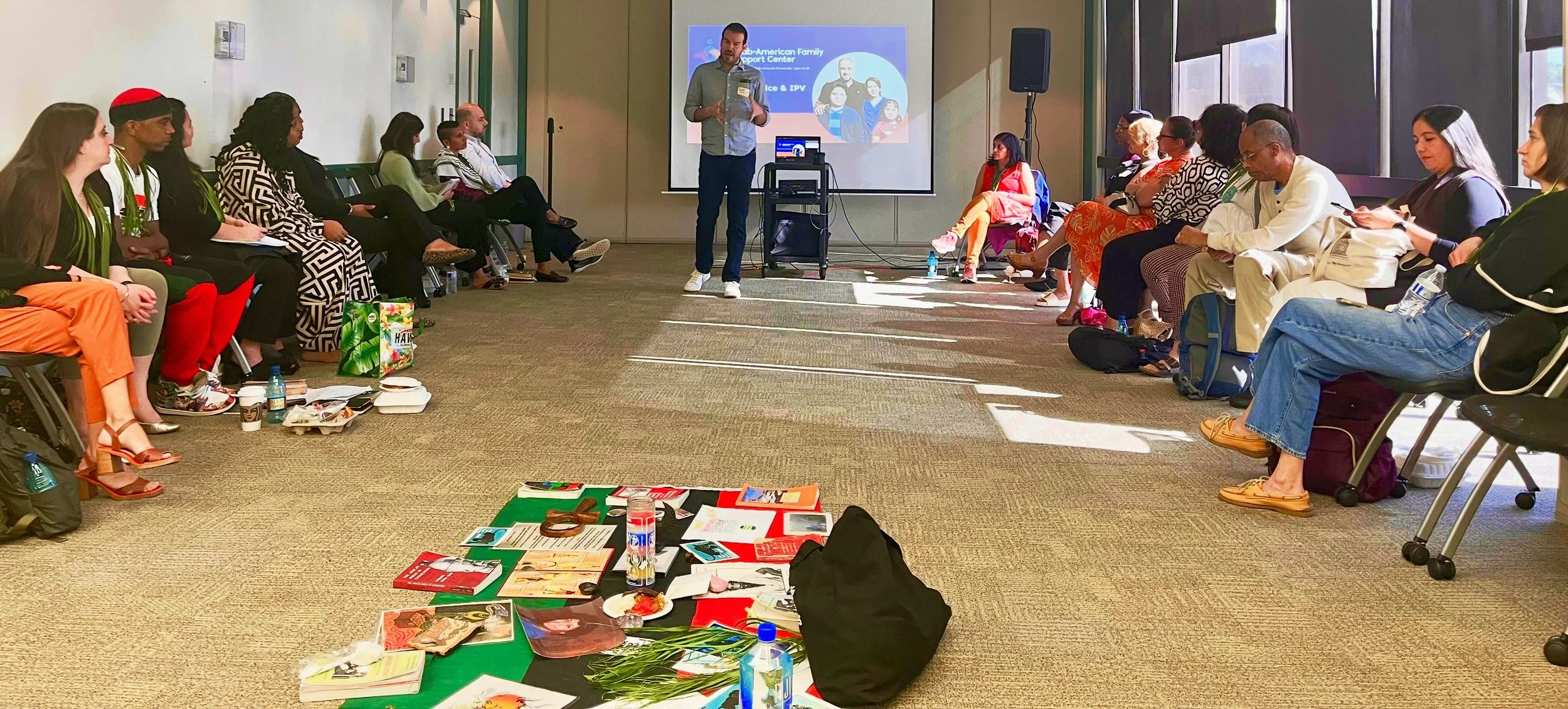
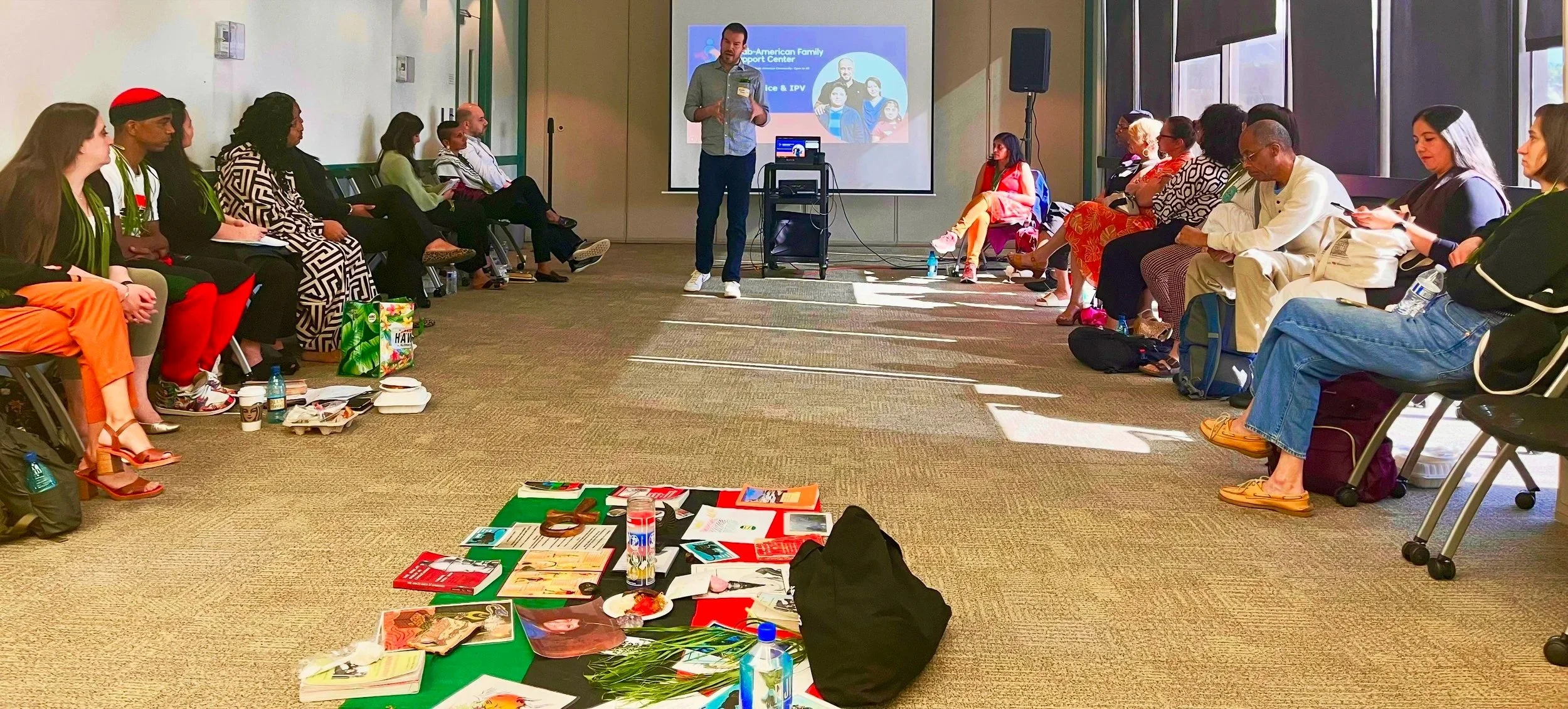
✴️ From 2022-2025, we shared learnings at 6 different national anti-violence and/or restorative justice convenings, fostering discussion and mentorship on community approaches to ending violence.
✴️ In 2025, we hosted our first NYC-based “learning party” with 75 attendees to build community and deepen our local practitioner network. You can see the learnings from our 1-day convening through the graphic recordings shared on our Resources page!
-
Collaborative members believe that we cannot keep our homes safe while so many in our communities are being violently punished by carceral institutions. At the same time, when violence and punishment exist in our homes, it is both more difficult and more essential to work against punishment-based institutions. Because institutional violence and IPV feed one another, we address both problems at the same time by working across the movement to end gender-based violence and the movement to end mass incarceration.
To be successful, we needed to know the analysis, principles, and praxis of organizations in both movements. So our work began with broad sharing from each Collaborative member. One important lesson learned along the way is that this sharing of foundational beliefs and goals must be regularly revisited, rather than assumed. As ideas developed and changed, we came to understand that Collaborative members didn’t need to agree on everything – we needed to understand points of commonality and difference in order to build together on what is most important to all: safety and healing.